Airport lounge access. Travel discounts. UCount rewards.
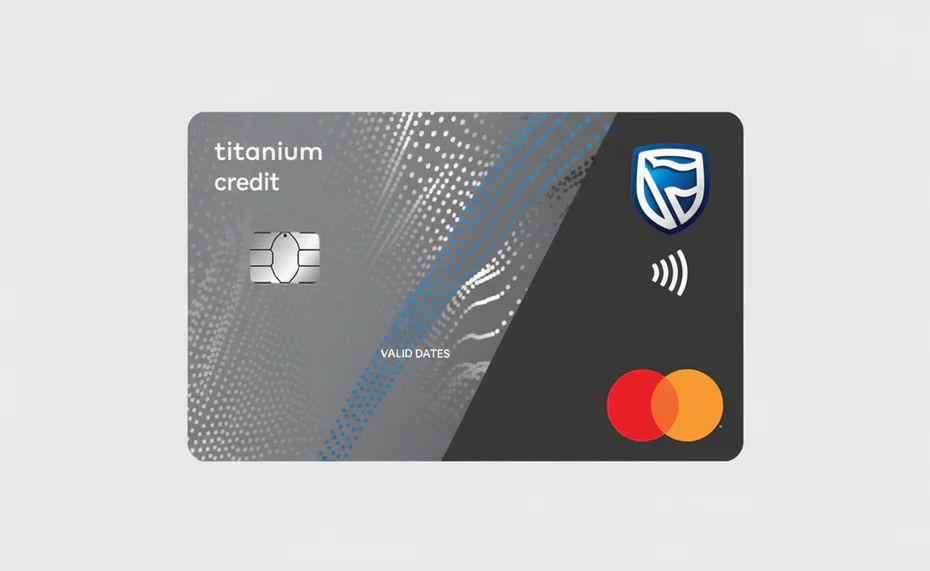
The Standard Bank Titanium Credit Card throws a lot at you. But does all that actually matter when you’re standing in line at Checkers buying groceries? Or are you paying for perks you’ll never touch?

More information about credit cards
Below we share some articles related to this topic. Read them!
Here’s what actually matters – this card targets professionals and graduates earning decent money who travel occasionally and want their spending to count for something. Not entry-level, not super-premium. Right in that middle sweet spot.
The monthly fee sits at R86. Whether that’s worth it depends entirely on how you’ll use the card. Some people squeeze serious value from those airport lounge visits and travel discounts. Others pay R86 monthly for benefits they forget exist.
Let’s break down what you’re really getting, what it costs, and whether you’ll actually qualify. No marketing nonsense – just the information you need to decide if this card fits your wallet and lifestyle.
What Makes the Titanium Different (And What Doesn’t)
Credit limit goes up to R250,000. That’s substantial financial flexibility if Standard Bank approves you for anywhere near that amount. Most people start lower – somewhere between R30,000 and R100,000 depending on income and credit history.
Interest rates? Personalized. Standard Bank doesn’t slap one rate on everyone. They assess your credit profile individually and offer rates ranging from around 11.75% up to 22.25%. Better credit score generally translates to better rates. Makes sense, though you won’t know your exact rate until approval.
The Mastercard network handles transactions globally. Accepted pretty much everywhere you’d want to use it, both locally and internationally. Though watch out – international transactions carry a 2.75% conversion fee that adds up faster than you’d think.
Up to 55 days interest-free on purchases if you settle the full balance by the due date. Miss that deadline and interest kicks in on whatever remains unpaid. Standard stuff, honestly.
UCount Rewards: The Points System
Every swipe earns UCount Rewards points. Standard Bank claims you can earn three times more points compared to basic cards, though the actual multiplier depends on your spending tier and what you’re buying.
Points convert to eBucks and rand savings you can redeem at partner merchants. Groceries, fuel, retail – accumulate points on regular expenses you’d make anyway, then convert them strategically to cut everyday bills. The system works if you’re disciplined about redeeming before points expire.
Reality check though. Most people don’t maximize rewards programs. They accumulate points, forget about them, and let them expire. If you’re not someone who tracks this stuff actively, the rewards benefit becomes pretty theoretical.
Monthly Fees and Hidden Costs
R86 per month. That’s your base service fee.
Compared to entry-level cards charging R50-60 monthly, it’s pricier. Compared to platinum cards at R100+, it’s reasonable. Middle-tier pricing for middle-tier benefits. Fair enough.
But that R86 is just the starting point. Cash withdrawals cost you. Inter-account transfers add fees. Foreign transactions tack on that 2.75% conversion charge. Individual fees seem small, but they compound if you’re not careful about transaction types.
Here’s what gets people – the fee structure isn’t immediately obvious. You need to dig through Standard Bank’s fee schedule to understand total cost of ownership. That R86 monthly fee can easily become R120-150 if you use certain features regularly.
When the Card Pays for Itself
Travel frequently? The airport lounge access alone justifies the monthly fee. Six complimentary visits annually to Bidvest Premier domestic lounges. Another six visits for you and a guest at Standard Bank’s Fluent Lounge at Lanseria Airport.
Compare that to paying R250-350 per lounge visit individually. If you use even four visits yearly, you’re breaking even on the annual card cost. Anything beyond that represents actual savings.
Flight discounts can deliver serious value too. Up to 20% off when booking through Travelstart or Emirates via Leisure Desk. One domestic trip using that discount and you’ve covered several months of fees. Two international flights? You’re way ahead.
But – and this matters – only if you actually use these benefits. Don’t pay for airport lounge access if you fly once yearly. Don’t value travel discounts if you book through your company’s corporate travel desk anyway.
Income Requirements and Qualification Criteria
Minimum monthly income sits at R25,000 before tax. That’s the baseline Standard Bank advertises for the Titanium card.
Or hold a tertiary degree or postgraduate qualification. That exception lets younger professionals with strong education but lower salaries qualify. Smart positioning by Standard Bank – they’re capturing graduates early in their earning trajectory.
Age requirement? Over 18. Pretty standard across the board.
You’ll need valid South African ID if you’re a citizen. Foreign nationals require passport, work permit, and valid visa. No shortcuts on documentation here – they verify thoroughly during the FICA process.
What Standard Bank Actually Checks
Credit history matters enormously. They’re not looking for perfection, but they want to see responsible credit behavior. Consistent on-time payments across existing accounts. Manageable debt levels relative to income. No recent defaults or judgements that signal financial distress.
Bank statements from the last three months show income stability. If you bank elsewhere, you’ll definitely need these. Standard Bank customers might skip this requirement since they can access transaction history internally.
Recent payslips – usually last three months – verify employment and income level. Self-employed applicants need different documentation proving stable income flow. The assessment gets more complex if your income fluctuates significantly month to month.
Proof of residence within three months confirms where you live. Utility bill, municipal statement, bank correspondence – anything official showing your residential address. Make sure it matches exactly what you write on the application form.
Travel Benefits Worth Actually Using
Let’s be realistic about travel perks. Some deliver genuine value, others look better on paper than in practice.
Those lounge visits? Genuinely useful if you travel domestically several times yearly. Bidvest Premier lounges offer decent food, drinks, wifi, and quiet space away from crowded terminals. Worth using if you arrive early for flights or face delays.
The Fluent Lounge at Lanseria brings a guest. Nice touch for family travel or business trips with colleagues. Six annual visits for two people represents real value if Lanseria fits your travel patterns.
Flight discounts through Travelstart can save serious money. Up to 20% off isn’t marketing fluff – it’s actual savings if you book correctly. The trick is comparing discounted prices against other booking platforms. Sometimes the “discount” still costs more than finding deals elsewhere.
Hotel and Rental Car Savings
15% discount at IHG Hotels & Resorts across Europe, Maldives, India, Middle East, and Africa. Sounds impressive until you realize you need to book through Standard Bank’s system specifically. Direct bookings or other discount programs don’t qualify.
10% cashback when booking through Booking.com sounds straightforward. But check the fine print – usually requires booking and paying with the Titanium card specifically, excludes certain property types, and cashback might take weeks to process.
Car rental discounts with Avis and Budget – up to 20% off when booking through partner links. Again, compare final prices against other discount codes and platforms. Sometimes you’ll find better deals elsewhere despite the advertised discount percentage.
Lifestyle Benefits That Actually Matter
Access to over 100,000 U.S. retailers through MyUs.com with shipping discounts. Useful if you regularly shop from American websites that don’t ship to South Africa directly. The service provides a U.S. shipping address for forwarding to your SA location.
10% off luggage from Gopals. Niche benefit that delivers value exactly once when you need new luggage. Not recurring value, but helpful when the timing aligns.
Travel insurance included when you use the card to purchase tickets. Coverage details matter here – read the policy specifics before assuming you’re fully protected. Often covers medical emergencies abroad but excludes pre-existing conditions or adventure activities.
Security Features for Online Shopping
3D Secure verification protects online transactions. Every card-not-present purchase triggers authentication through your banking app or SMS OTP. Adds friction to checkout but significantly reduces fraud risk.
Chip and PIN technology for in-person transactions. Contactless tap-to-go works for purchases under R500 – convenient for quick transactions though less secure than chip-and-PIN.
The card links with SnapScan and MasterPass mobile payment platforms. Useful if you already use these apps regularly. Otherwise, just another payment method competing for space on your phone.
How to Actually Apply (And Improve Approval Chances)
Online application through Standard Bank’s website works smoothly if you’ve got documentation ready. The form walks you through required information step by step. Takes maybe 15-20 minutes if you’re not hunting for documents.
Branch applications offer face-to-face assistance. Useful if your financial situation has complexity that needs explaining. A consultant can assess eligibility before formal application, saving you unnecessary credit inquiries.
Prepare everything beforehand. SA ID or passport. Three months of payslips. Bank statements showing income deposits. Proof of residence dated within three months. Having this ready speeds processing dramatically.
Maximizing Approval Likelihood
Check your credit score before applying. Free credit reports are available annually from major bureaus. Know where you stand rather than applying blind and hoping for the best.
Pay down existing debts if possible. Lower your debt-to-income ratio in the months before application. Lenders assess affordability carefully – they want confidence you can handle additional credit without overextending.
Avoid applying for multiple credit products simultaneously. Each application triggers hard inquiries on your credit report. Too many within short periods signal financial stress to lenders assessing risk.
If you’re currently with Standard Bank for banking, your approval odds improve. They can see your transaction history and money management patterns internally. Existing positive relationship helps your case considerably.
Comparing Titanium to Other Options
The Titanium sits between Standard Bank’s entry-level Blue/Gold cards and the premium Platinum tier. Intentional positioning for mid-career professionals who want more than basics without paying platinum prices.
Versus African Bank’s Black Card? Different target markets entirely. African Bank focuses on accessibility with lower income requirements. Standard Bank targets established professionals with higher incomes and better credit profiles.
Capitec and FNB offer competing mid-tier cards with different benefit structures. Capitec emphasizes simplicity and low fees. FNB bundles rewards differently with their eBucks ecosystem. Which works better depends entirely on your banking patterns and lifestyle.
That R25,000 minimum income requirement excludes many South Africans. Intentional exclusivity that positions the card for specific demographics. If you don’t meet income thresholds, look at cards designed for lower income brackets rather than forcing an application that’ll likely fail.