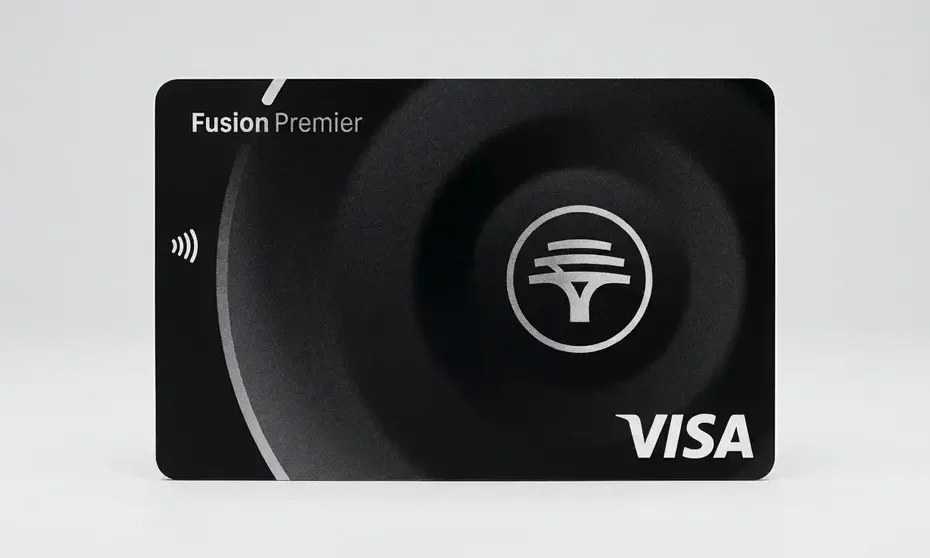
Before you even look at the benefits list, there’s a more useful question: is the FNB Premier Credit Card a rewards programme with banking attached, or a banking product that happens to offer rewards?
Honestly? It’s both.

More information about credit cards
Below we share some articles related to this topic. Read them!
But the eBucks engine is what separates the Premier card from competitors at the same income tier. Understanding how it actually works is the only way to judge whether the monthly fee earns its keep.
This guide covers the real costs, the lounge conditions, what eBucks gets you in practice, and who genuinely benefits from holding this card.
Who Qualifies
The Premier Credit Card targets clients with a gross annual income between R300,000 and R749,999. In monthly terms, roughly R25,000 to just under R62,500 before tax.
Below that range and the Aspire tier applies. Above it, FNB’s Private Client offering takes over.
Meeting the income bracket is a starting point, not a guarantee. FNB also weighs your credit history, existing debt and overall affordability. You’ll need a valid South African ID, recent payslips, three months of bank statements and proof of residence.
One structural point worth knowing upfront: the Premier Credit Card is designed to sit alongside a Premier current account. Clients who take the Fusion Premier bundle get the credit facility folded into a single monthly fee, with no separate card fee charged on top.
What the Card Actually Costs
Monthly account fee: around R109. Once-off initiation fee: up to R199. No additional charge for a supplementary spouse card.
Purchases carry no swipe fee. Cash withdrawals do attract charges, varying by channel. Overseas ATMs may add their own fees on top of FNB’s. International transactions carry a 2.5% currency conversion fee, consistent with the major South African banks at this tier.
One irritant worth flagging: FNB charges fees on prepaid purchases made with the Premier card. Airtime, electricity. It won’t hurt the budget significantly, but some competing products at the same income level don’t apply those charges.
For Fusion Premier clients, the credit card fee is absorbed into the combined account monthly charge. Over a full year, that structure can save a meaningful amount compared to holding separate accounts.
eBucks: How the Rewards Actually Work
Every qualifying transaction earns eBucks. Your rewards level, from Level 1 to Level 5, determines how much you earn and what you unlock.
Upper tiers open higher earn rates, more SLOW Lounge visits and larger flight discounts. Reaching those levels requires more than simply swiping the card. Holding other FNB products, maintaining insurance and staying active across the broader banking relationship all contribute to your level.
That last point is worth sitting with. Passive cardholders who use the Premier card for spending but ignore the wider FNB ecosystem will land at a lower rewards level and earn less. The programme rewards full engagement with FNB, not just card spend.
Redemption partners are genuinely practical: Takealot, Pick n Pay, Clicks, Engen, iStore. Places most South Africans actually shop regularly. That’s a real advantage over programmes that earn well but redeem into categories most people rarely use.
SLOW Lounge Access: The Detail Nobody Reads
Up to 8 complimentary SLOW Lounge visits per year. For someone flying domestically several times annually, that’s a worthwhile benefit. Individual lounge entry generally costs a few hundred rand per visit.
Here’s the part that catches people off guard. The 8 visits aren’t a flat allocation for every cardholder. The number scales with your eBucks rewards level. At lower levels, you get fewer free entries. At Level 5, you unlock the full allocation.
New cardholders who haven’t yet built their eBucks engagement shouldn’t assume all 8 visits are available from month one.
Additional visits beyond your allocation are charged per entry. Check your current rewards level in the FNB App before planning travel around this benefit.
Travel Benefits Beyond the Lounge
Global Travel Insurance activates automatically when you buy a return travel ticket using a qualifying FNB card. No registration required.
Cover applies to cardholders under 75 residing in South Africa, Namibia, Lesotho or eSwatini. It includes emergency medical expenses, pre-existing conditions and accidental death. It is basic cover, not a comprehensive travel policy. For extended or higher-risk trips, additional coverage is worth considering.
Flight discounts of up to 40% off selected fares are available through eBucks Travel. The actual discount depends on your rewards level. Taxes, VAT and surcharges are excluded from the calculation.
The budget facility is more useful than it looks. Purchases of R200 or more can be moved to a repayment plan over 6 to 60 months. At selected partners including iStore and KOODOO, FNB offers promotional rates at prime or prime plus 2%.
Buy a device through the eBucks Partner Shop, repay via the budget facility, and you can earn up to 40% back in eBucks on monthly premiums. For anyone due to replace a phone or laptop, that stacking opportunity is worth calculating before the purchase.
Digital Features and Security
Virtual cards are issued at no extra charge. A separate card number for online shopping reduces exposure on your primary card details. Purchase protection covers virtual card transactions up to R10,000 per claim within 30 days of purchase.
The FNB Banking App is consistently rated among the best in South Africa. Zero data charges apply when using it. Real-time notifications, spending categories, limit management and payment adjustments are all handled in the app.
Automatic debt protection covers up to R12,000 in the event of death or permanent disability. The ceiling is modest, but it comes standard with no additional premium.
How It Compares to the Competition
At the same income tier, Standard Bank’s Platinum Credit Card charges a comparable monthly fee and includes lounge access at OR Tambo, Lanseria and Bidvest Premier Lounges. For frequent OR Tambo travellers, the Standard Bank Library Lounge is well-located and comfortable.
Which product suits better often comes down to which airports you use regularly and whether the UCount or eBucks ecosystem fits your spending habits more naturally.
Absa’s Premium Banking credit offering and Nedbank’s Greenbacks programme are also worth comparing directly before committing. Where FNB consistently holds an edge is the breadth of eBucks redemption partners and the quality of the digital banking experience.
Applying: What to Expect
Applications go through the FNB website, the FNB Banking App or a branch. The online flow is straightforward and well-designed.
Processing typically takes a few business days after all documentation is submitted. New FNB clients set up a Premier current account alongside the credit card application, which adds one step but doesn’t complicate the process significantly.
Check your credit score independently before applying. A strong profile improves approval odds and influences the interest rate and limit you’ll be offered.
Final Take
For a client in the Premier income bracket who actively engages with eBucks, this card returns genuine value above its monthly cost. Fuel rewards, flight discounts, device purchases and everyday spending at major partners all stack up over time.
For someone who’d use the card for spending without engaging the eBucks ecosystem, the value equation tightens. You’d be paying a monthly fee for a rewards engine you’re not running. In that case, the Aspire tier at a lower cost might serve better.
The FNB Premier Credit Card is well-built for the right user. The question worth answering honestly is whether that user is you.