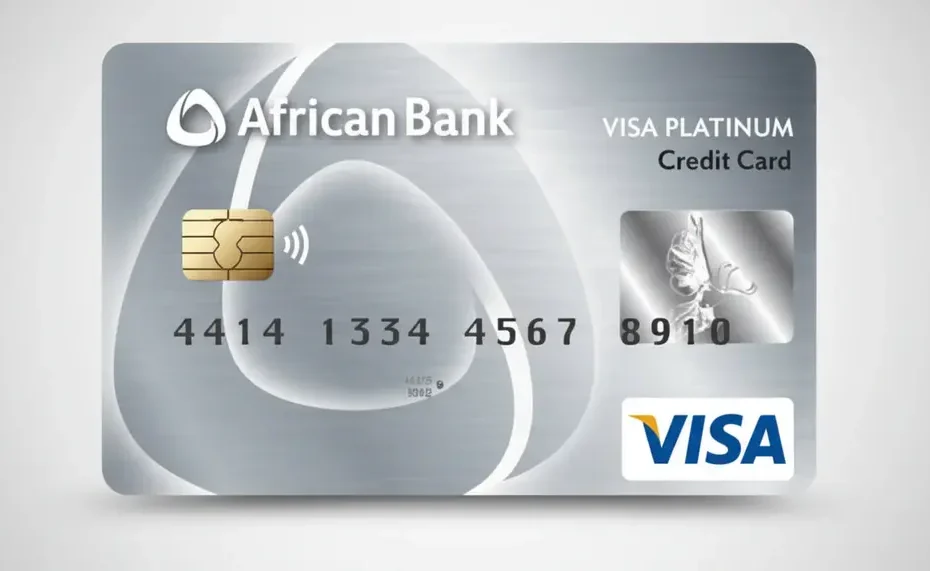
Entry-level credit cards usually mean limited benefits and high fees. The African Bank Silver breaks that pattern.
This card positions itself as accessible credit for South Africans who don’t earn premium salaries but need reliable financial flexibility. The minimum income requirement sits around R25,000 annually – significantly lower than mid-tier and premium offerings from other banks.
More information about credit cards
Below we share some articles related to this topic. Read them!
But here’s what matters more than marketing claims. Does the R65 monthly fee deliver enough value for someone working with a tight budget? Can you actually earn that 2% interest on positive balances, or is it another theoretical benefit that sounds better than it performs?
The 60-day interest-free window looks attractive. Free point-of-sale transactions help. Instant card issuance at branches removes the waiting game. These aren’t flashy perks, but they address real needs for everyday banking.
Let’s examine what you’re actually getting, what it costs, and whether this card makes sense for someone starting their credit journey or managing modest income. No pretending this competes with premium offerings – just honest assessment of value at the entry level.
What the Silver Card Actually Offers
Credit limits on the Silver card range from modest to reasonable. African Bank doesn’t advertise exact figures, but expect something between R5,000 and R30,000 depending on income verification and credit assessment. Not life-changing amounts, but functional for managing monthly expenses.
Interest rates vary by credit profile, typically ranging from 15% to 27% annually. Better credit history gets you closer to that 15% floor. Spotty payment patterns push you toward the upper end. Standard risk-based pricing that rewards responsible behavior.
The 60-day interest-free period applies if you settle the full balance by the due date. Buy something today, and you’ve got two months to pay without interest charges accumulating on point-of-sale purchases. Miss that deadline though, and interest kicks in fast on whatever balance remains.
The Interest on Positive Balances Feature
Earn up to 2% interest annually on credit balances. This means if you overpay your account or keep money sitting in your credit card account, African Bank pays you interest rather than letting funds sit idle.
Sounds appealing until you realize most people don’t maintain positive credit card balances intentionally. You’re either using available credit or paying exactly what’s due. The scenarios where this benefit delivers real value? Limited to specific financial management strategies.
Make prompt payments consistently though, and you qualify for this interest. One late payment probably disqualifies you for that period. The bank rewards discipline, which makes sense from their risk management perspective.
Monthly Fees and Transaction Costs
R65 monthly service fee. That’s R780 annually for basic account maintenance.
Compare that to premium cards charging R80-100+ monthly and it looks reasonable. Compare it to zero-fee basic banking options and suddenly R780 yearly feels substantial. Whether it’s affordable depends entirely on your budget and how you’ll use the card.
Point-of-sale transactions in South Africa? Free. Swipe at Checkers, Pick n Pay, Shoprite, Spar – no transaction fees. This matters significantly for everyday spending where fees would add up quickly.
Cash withdrawals carry charges. R7.50 for cashback at point-of-sale. ATM withdrawals at other banks cost R14 plus 2% of the withdrawal amount for transactions over R100. Below R100, you’re paying a flat R10. African Bank’s own ATMs charge R9.50 per R1,000 withdrawn.
Hidden Costs Worth Knowing
Card replacement runs R130 if you lose or damage your card. Initiation fee of R140 applies when opening the account. Not outrageous, but factor these into total cost calculations.
International transactions add a 2% conversion fee on top of the transaction amount. That R500 overseas purchase actually costs R510. Plan accordingly if you shop internationally or travel abroad.
Balance enquiries at point-of-sale cost R3. ATM balance checks run R10. Small amounts individually, but they compound if you’re checking your balance frequently instead of using the free mobile app.
Income Requirements and Qualification
Minimum annual income sits around R25,000 according to available information, though African Bank adjusts requirements based on overall affordability assessment. That’s roughly R2,100 monthly – genuinely accessible for entry-level employment.
Age requirement? Standard 18 years minimum. You’ll need valid South African ID or passport with work permit if you’re a foreign national working in South Africa.
Three months of payslips prove income stability. Bank statements showing three months of salary deposits verify the payslip information. Self-employed applicants need statements demonstrating consistent revenue flow, which gets scrutinized more carefully.
Credit Assessment Process
African Bank conducts credit checks during application review. They’re looking at payment patterns on existing accounts, outstanding debts, any defaults or judgements sitting on your record.
Clean credit history obviously helps. But here’s the thing about entry-level cards – they’re designed for people building credit, not just those with perfect histories. Recent serious problems disqualify you, but moderate credit profiles get considered.
Affordability calculations determine how much credit you can handle without overextending. The bank examines income against existing financial commitments. Already maxed out with store accounts and personal loans? They’ll factor that heavily when deciding your credit limit or even whether to approve at all.
Smart Usage for Maximum Value
Use it for planned expenses already in your budget. Groceries, fuel, utilities – regular spending you’d make anyway. Don’t treat available credit as bonus money for impulse purchases you wouldn’t otherwise make.
Pay the full balance monthly to avoid interest charges completely. That 60-day interest-free window only works if you actually clear balances by due dates. Carry a balance and you’re throwing money away on interest charges that negate any benefits.
Set up automatic payments timed with salary deposits. Never miss a due date. Consistent on-time payments build positive credit history while qualifying you for that 2% interest on positive balances.
Building Credit Responsibly
Keep utilization below 30% of your available limit when possible. Using R2,000 of a R10,000 limit demonstrates healthy credit behavior. Maxing out your limit constantly signals potential financial difficulty to future lenders.
After four months of responsible use, request a credit limit increase if your financial situation improved. African Bank reviews payment history and current income before approving increases. The new limit becomes available immediately if approved.
Monitor your free credit report monthly through the African Bank app. Track how your credit score changes based on payment behavior. Catch errors early before they damage your credit profile.
Common Mistakes to Avoid
Don’t use the card for cash withdrawals unless absolutely necessary. Fees make cash access expensive, and you’re better off using debit cards or ATM cards for cash needs.
Avoid missing minimum payments. Late payments trigger penalty fees, accrue interest on balances, and damage credit scores. One missed payment can cost you approval on future credit applications across all institutions.
Don’t ignore your monthly statement assuming everything’s correct. Review charges carefully. Catch errors or fraudulent transactions early while disputing remains straightforward.
Skip applying if you’re already overextended with other debt. Adding credit card debt to existing financial strain creates dangerous spirals. Wait until your debt situation improves before taking on additional credit commitments.