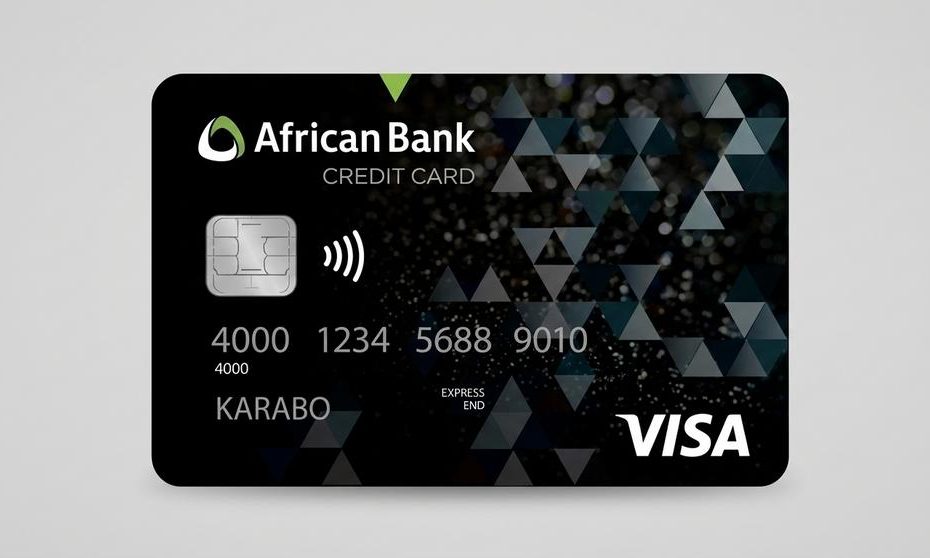
Most credit cards take your money. This one pays you. Sounds backward, right?
But the African Bank Black Card actually rewards you with up to 3% interest just for keeping a positive balance. Not points you’ll never redeem or miles that expire before you use them – actual interest that grows your money while you spend.
More information about credit cards
Below we share some articles related to this topic. Read them!
I’ll be honest though. That interest feature gets all the attention, but it’s not the whole story.
What really matters is whether this card fits your life. Can you actually qualify with your current income? Are those fees reasonable compared to what you’re getting? And here’s the big one – will African Bank approve you if your credit history has a few bumps?
Let’s dig into the details that matter. No marketing fluff, just the real information you need to decide if this card makes sense for your wallet.
Why This Card Stands Out (And Why It Might Not)
The Black Card isn’t flashy. There’s no lounge access, no concierge service, none of that premium stuff banks love to advertise.
What you get instead? Practical benefits for everyday South Africans who need financial flexibility without the nonsense. The credit limit goes up to R500,000, though let’s be real – most people start somewhere between R10,000 and R50,000 depending on what they earn and how their credit looks.
That 62-day interest-free window deserves a closer look. Buy something today, and you’ve got over two months to pay it off without interest piling up. Settle the full balance by the due date? Zero interest on those purchases. Miss the deadline though, and interest kicks in fast on whatever’s left unpaid.
Now about that interest on positive balances – it’s clever, actually. Keep money in your credit card account and African Bank pays you up to 3% annually.
Not life-changing money, but better than most savings accounts right now. The catch? You need to make every payment on time. One late payment and you’re probably disqualified for that year’s interest.
The Instant Card Thing Actually Works
Here’s something I genuinely appreciate. Get approved and you can walk into any African Bank branch that same day and collect your card. No waiting around for weeks wondering if it got lost in the mail or stolen from your postbox.
Your card arrives embossed with your name, ready to use immediately after activation. Credit life insurance comes included too – coverage in case something happens that stops you from making payments. One less thing to worry about, basically.
Let’s Talk Money: Fees and Interest Rates Explained
R69 per month. That’s your service fee.
Compared to premium cards charging R100 or more monthly, it’s reasonable. Not the cheapest option in South Africa, but you’re getting decent value for what you pay. Whether that R69 makes sense depends entirely on how you’ll use the card.
Interest rates? They vary. African Bank doesn’t slap the same rate on everyone – they assess your creditworthiness individually and offer personalized rates. Better credit profile generally means better rates. Makes sense, but also means you won’t know your exact rate until you apply and get assessed.
Pay your balance in full each month and interest becomes irrelevant. You’ll never pay a cent on purchases. Carry a balance though, and interest accumulates on what’s outstanding. Simple as that.
Transaction Fees Worth Knowing
Buying stuff at stores? Free. Seriously, point-of-sale purchases in South Africa cost you nothing extra beyond what you’re buying.
Need cash back at Checkers or Pick n Pay? R7.50 per transaction. Withdraw from another bank’s ATM and you’re looking at R14 plus 2% of whatever you’re taking out (if it’s over R100). Under R100? Just R10 flat fee.
Shopping overseas or from international websites adds a 2.75% conversion fee on top of the transaction amount. Not outrageous, but factor it in when buying from abroad. That R1,000 purchase actually costs R1,027.50.
Lost your card? Replacement costs R136. Initiation fee when you first open the account runs R147. Balance checks at other banks’ ATMs will set you back R10 each time.
Getting Approved: What African Bank Actually Looks For
Age requirement sits at 18. Pretty standard.
You’ll need valid South African ID if you’re a citizen or resident. Foreign nationals need a passport, work permit, and valid visa. No wiggle room on the documentation here – they check thoroughly.
Income matters more than most people realize. African Bank typically looks for around R5,000 monthly minimum, though this shifts based on what credit limit you’re chasing. Want R50,000 available credit? You’ll need to demonstrate higher, more stable income than someone applying for R10,000.
Proof of income means recent payslips – last three months usually. Bank statements showing consistent salary deposits work too. Self-employed? Your statements need to show regular income flow, not erratic deposits that make lenders nervous.
Proof of residence dated within three months verifies where you live. Utility bill, municipal account, bank statement – anything official showing your address. Just make sure it matches exactly what you write on the application form, because mismatches raise red flags.
What Happens During Credit Assessment
African Bank digs into your credit history. Payment patterns on existing accounts, outstanding debts, any defaults or judgements sitting on your record – they see all of it.
Clean credit history? You’re golden. But here’s the thing – they don’t automatically reject everyone with past issues. Context matters. A default from five years ago that you’ve since cleared looks different than three recent missed payments last quarter.
The affordability calculation determines how much credit you can realistically handle without drowning. They examine your income against existing financial commitments. Already stretched thin with a car payment, home loan, and two personal loans? They’ll factor that in when deciding your credit limit or even whether to approve you at all.
How to Actually Improve Your Approval Chances
Start preparing months before you apply. Not weeks – months.
Pay everything on time. Every single bill, account, loan payment. Sounds obvious, but one late payment can torpedo your application. Lenders see payment history as the best predictor of future behavior. Makes sense when you think about it.
Check your credit report before applying. You get one free report annually from major bureaus. Look for errors – wrong addresses, accounts that aren’t yours, paid-off debts still showing as active. Dispute inaccuracies before they cost you approval.
Your credit utilization ratio needs attention too. Using 90% of your existing credit limits signals financial stress. Try keeping it under 30% across all cards and accounts for several months before applying. Shows you’re managing credit responsibly, not desperately maxing everything out.
The Application Process Broken Down
You’ve got options for applying. Online through their website works well if you’ve got all your documents ready digitally. The mobile app offers the same functionality. Prefer talking to someone? Call 0860 333 004 or visit a branch.
Accuracy matters enormously when filling out the application. Double-check every detail against your supporting documents. Your ID shows your address as “Street” but you wrote “St”? That kind of tiny mismatch can delay processing or trigger additional verification.
Submit everything upfront. Missing documents slow everything down dramatically. Have your ID, proof of income, and proof of residence ready before you start the application. Saves time and shows you’re organized.
Typical response time? Few business days to maybe a week. Complex financial situations take longer – they need extra verification time. Once approved, you can collect your card immediately at a branch or wait for delivery if you prefer.
Activation happens through the app, online banking, or at a branch with staff assistance. You’ll get SMS notifications walking you through the process. Pretty straightforward, honestly.
Beyond the Basics: Features You’ll Actually Use
Set your own transaction limits. Seriously, you control how much you can spend at ATMs, shops, or online. Default limits exist, but customize them through the app to match your comfort level and spending patterns.
Default settings allow R6,000 ATM withdrawals daily (max R10,000 if you raise it). Point-of-sale transactions default and cap at R100,000. Online shopping defaults to R10,000 with a R50,000 maximum available if needed.
Free SMS notifications hit your phone after every transaction. Instant confirmation that your R250 grocery purchase went through – or immediate alert if someone’s using your card without permission. That real-time awareness helps catch fraud fast.
Data-free banking saves you money. Access African Bank’s website, online banking, or mobile app without consuming mobile data. Might not sound like much, but it adds up over time, especially if you check your balance frequently.
Security Measures That Actually Matter
One-time PINs protect online purchases. Every transaction triggers an OTP sent to your phone. You authorize with that code. No code, no purchase. Simple but effective against most online fraud.
International transactions work globally at Visa merchants. However, card-not-present international purchases max out at R50,000 per transaction. Reduces exposure to cross-border fraud while still allowing legitimate overseas shopping.
Card lost or stolen? Call 0861 000 555 immediately if you’re in South Africa. From abroad, dial +27 11 256 9988. The faster you report it, the less liability you face for fraudulent charges. They’ll freeze the card instantly and start the replacement process.
How It Compares to Other Options
Let’s be real about this.
The big banks – Capitec, FNB, Standard Bank, Nedbank, Absa – they all have credit cards competing for your business. Each brings something different. African Bank positioned the Black Card for accessibility, targeting folks earning from R5,000 monthly and up.
Compare that to Absa’s offerings. Their Gold cards typically want R7,000 minimum monthly income. Premium tiers? You’re looking at R25,000 or higher. So African Bank becomes accessible earlier in your income journey. Not better or worse necessarily, just different target markets.
That R69 monthly fee undercuts many competitors at similar tiers. Standard Bank Platinum charges R108 monthly, though you get additional premium services bundled in. Whether those extras justify the R39 price difference depends entirely on whether you’ll actually use them. Most people don’t, honestly.
The interest on positive balances? Pretty unique among South African credit cards. Few competitors pay you for keeping money in your credit card account. If you occasionally carry positive balances between statements, that feature delivers real value. If you always pay exactly what’s due and never overpay, it’s irrelevant to you.